
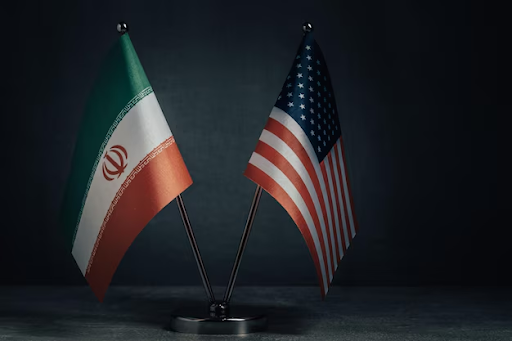
Tuesday offered a striking tableau of modern geopolitics: Iran and the United States making diplomatic progress in a Geneva conference room while simultaneously trading military threats across the Gulf of Oman. The second round of indirect nuclear talks ended with what Iran described as an agreed set of guiding principles — a small but real step forward in a deeply complex negotiation.
Foreign Minister Araghchi described the session, held through Omani intermediaries, as more constructive than the first meeting earlier in February. He said both sides had moved closer to each other’s positions and were now ready to exchange draft agreement texts in preparation for a third round of talks expected in about two weeks.
The substance of the talks revolved around Iran’s nuclear activities — principally the fate of its stockpile of 60% enriched uranium, the restoration of comprehensive IAEA access, and the terms of any enrichment suspension. Iran offered to dilute its near-weapons-grade uranium and cooperate more fully with international inspectors, presenting these steps as concrete demonstrations of good faith.
The US continued to demand a complete halt to domestic enrichment — a position Iran has repeatedly and firmly rejected. The timeline for any suspension was also contested, with the physical destruction of Iranian nuclear facilities by US strikes complicating assessments of how quickly Iran could restart enrichment if a deal collapsed.
Throughout the day, Supreme Leader Khamenei gave a combative speech warning US warships of the consequences of military provocation, and Iran announced live-fire naval exercises in part of the Strait of Hormuz. At home, the country was still processing the trauma of recent protests, with over 10,000 individuals summoned for trial and mass mourning ceremonies marking the 40th day since the deaths of protesters.