
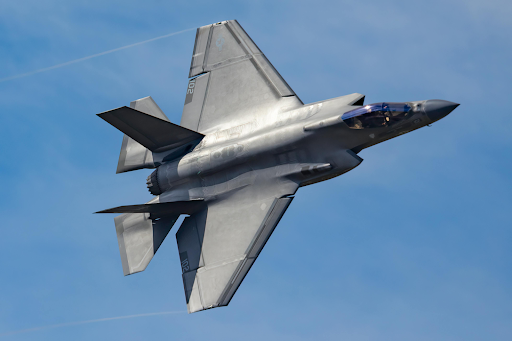
A legal battle over the definition of a “clear risk” of war crimes is set to be resolved by the Dutch Supreme Court. The court’s ruling will determine if the Netherlands must continue to block the export of F-35 parts to Israel based on a lower court’s finding of such a risk.
The case hinges on the interpretation of Dutch and EU arms export laws, which require states to deny licenses if there is a clear risk the military technology will be used to commit serious violations of international humanitarian law.
Human rights groups successfully argued before an appeals court that the situation in Gaza met this threshold. The court’s February 2024 ruling to impose a ban was a direct application of this principle. The government’s appeal challenges the court’s ability to make such a determination.
The government argues that assessing “clear risk” is a complex political and intelligence-based process that belongs to the executive branch. It also claims the ban is futile, as the parts are U.S.-owned and can be delivered via other means.
The Supreme Court’s decision on this critical legal phrase will have lasting implications for arms control in the Netherlands and potentially across Europe. The context is the devastating Gaza war, which has made the enforcement of these laws a matter of urgent global concern.